
Currently Empty: $0.00

How to Wear a Deadlift Belt the Right Way (Beginner’s Guide)
Ever feel like your lower back is about to give out before your legs even feel tired? Most lifters blame their back. In reality, it’s usually a bracing problem — and that’s exactly what a deadlift belt is built to fix.
If you’ve just picked up a belt or you’re still deciding whether you need one, this guide breaks down exactly how to wear a deadlift belt the right way — what it actually does, when to use it, how to tighten it properly, and the mistakes almost every beginner makes in the first few weeks.
What Does a Deadlift Belt Actually Do?
Here’s the biggest myth to clear up first: a lifting belt does not support your back the way a back brace does. It doesn’t hold your spine in place or do the work for you.
What it actually does is give your core something to push against. When you take a deep breath and brace your stomach outward into the belt, you create pressure inside your torso — this is called intra-abdominal pressure. That pressure stiffens your entire midsection, which makes your spine more stable under load.
In short: the belt doesn’t protect your back. You protect your back, and the belt just makes your own bracing more effective.
When Should You Wear It?
You don’t need a belt for every set, and wearing it constantly can actually be counterproductive — it stops your core from learning to brace on its own.
A simple rule that works for most lifters:
- Warm-up sets and light weights: No belt needed.
- Working sets above roughly 80% of your max: This is when the belt earns its place.
- Accessory work (rows, lunges, light deadlift variations): Usually skip it.
If you’re newer to lifting, it’s worth spending your first few months training without a belt at all, so your core gets stronger on its own first. Once your numbers start climbing and you’re chasing heavier singles or triples, that’s when a belt becomes genuinely useful.
How to Position and Tighten It
A lot of beginners wear their belt too low, too loose, or in the wrong spot entirely. Here’s how to get it right:
- Position: Sit the belt just above your hip bones, roughly at navel level — not down on your hips like a regular belt.
- Tightness: It should feel snug when your stomach is relaxed, but you need to be able to take a full breath and brace hard against it. If you can’t expand your stomach against the belt at all, it’s too tight. If there’s no resistance when you brace, it’s too loose.
- The breathing cue: Take a deep breath into your stomach (not your chest), brace your abs outward as if you’re about to take a punch, and then lift while holding that brace. Exhale only after the hardest part of the rep is done.
Common Beginner Mistakes
- Wearing it too loose — if there’s nothing to push against, the belt isn’t doing anything.
- Wearing it on every single set — including warm-ups, which trains the wrong habit.
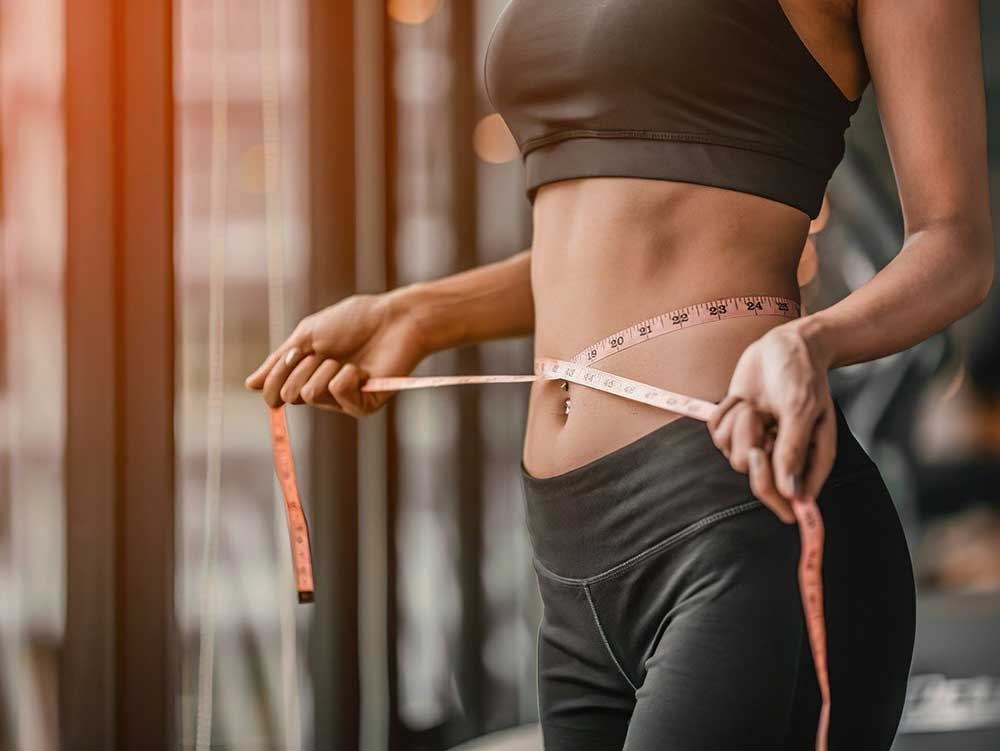
- Buying the wrong size — a belt should be sized to your waist measurement at navel level, not your pants size.
- Holding your breath the whole set — you should reset your breath between reps on multi-rep sets, not just on singles.
- Expecting the belt to “fix” bad form — it amplifies good bracing, it doesn’t correct a rounded back or poor setup.
Choosing the Right Belt
Not all belts are built the same, and the right one depends on how you train:
- Lever belts: Quick to put on and take off, very secure, popular with powerlifters chasing max singles. Sizing is fixed, so you need to know your measurement exactly.
- Prong belts: Classic and reliable, adjustable in small increments, great if your waist size fluctuates a bit.
- Velcro / quick-lock belts: Fastest to adjust, good for beginners or for circuit-style training where you’re tightening and loosening often.
If you’re just starting out, a sturdy prong-style belt usually gives you the best mix of adjustability and durability without overcomplicating things.
Final Thoughts
A deadlift belt isn’t a shortcut — it’s a tool that makes your own bracing more effective once you already know how to brace. Learn the breathing and positioning first, save it for your heavier working sets, and pick a belt that matches how you actually train.
Ready to add one to your setup? Check out our [Deadlift Belt — link to your product page] built for exactly this kind of training.
And if your grip tends to give out before your back does, that’s a different problem — one a belt won’t fix. Read our guide on [Deadlift Straps: When and Why to Use Them — next.